How Strategic Debt Boosts Startup Investment Appeal
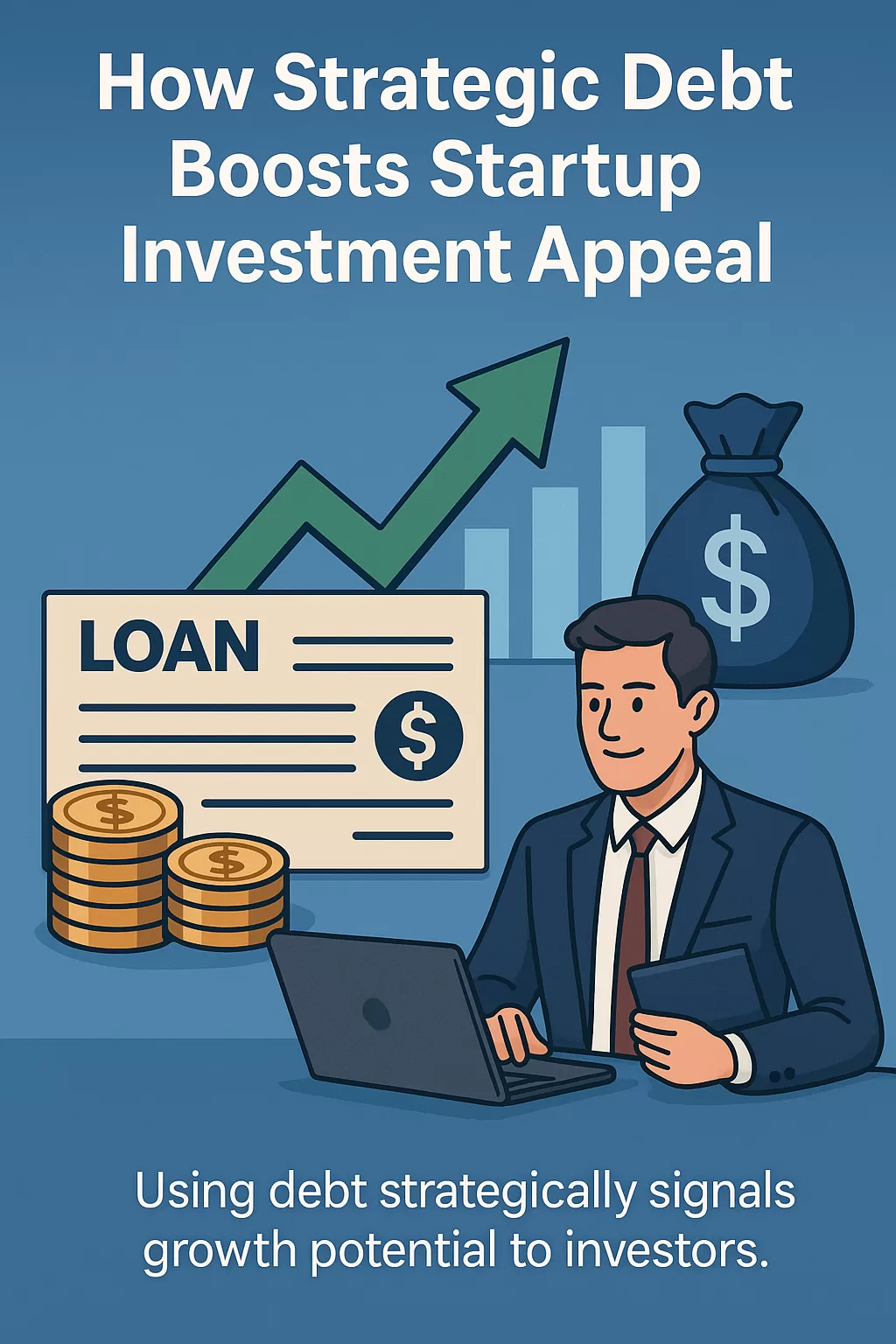
For many startup founders, the mere mention of “debt” can trigger a wave of anxiety. It’s often seen as a necessary evil, a last resort, or even a sign of financial weakness. But what if we told you that, for savvy entrepreneurs, certain types of debt—what we call strategic debt—can actually make your startup significantly more attractive to potential investors and lenders? This isn’t about accumulating liabilities; it’s about intelligent financial engineering that optimizes your capital structure and signals robust growth potential. Ready to rethink your approach to startup funding? Let’s dive in and uncover how strategic debt can be your secret weapon to enhance investor appeal.
Jump to: What is Strategic Debt? | Why Investors Look for Strategic Debt | Types of Strategic Debt | Building Business Credit | Common Misconceptions | FAQs | Conclusion
Understanding Strategic Debt: More Than Just Borrowing
At its core, strategic debt is about using borrowed capital as a leveraged investment to generate a return that significantly exceeds the cost of borrowing. It’s a deliberate financial maneuver designed to fuel specific growth initiatives, enhance operational efficiency, or acquire valuable assets, all with the clear intention of increasing enterprise value. Unlike “bad debt,” which might involve high-interest loans for unsustainable operational costs, strategic debt is a calculated risk aimed at long-term profitability and scale. It’s a testament to a founder’s foresight and financial acumen.
Think of it this way: instead of simply covering payroll with an expensive short-term loan, you might secure a lower-interest term loan to invest in advanced machinery that doubles your production capacity, thereby increasing revenue and profit margins over time. This isn’t just spending; it’s investing in the very infrastructure of your future success. This disciplined approach demonstrates a clear vision for growth, which is exactly what investors want to see.

Why Savvy Investors See Strategic Debt as a Green Flag
This is where the magic happens. Many founders believe that a debt-free balance sheet is the most attractive to investors. While a mountain of unmanaged debt is certainly a red flag, a strategically leveraged balance sheet can be a powerful signal of a mature, well-managed business. Here’s why:
- Demonstrates Financial Discipline: Successfully managing and repaying strategic debt proves your ability to meet financial obligations and forecast cash flow accurately. This builds confidence in your leadership team’s financial prowess.
- Optimizes Capital Structure: A smart blend of debt and equity can lead to a lower weighted average cost of capital (WACC). Debt is often cheaper than equity (especially for early-stage companies where equity is highly dilutive), meaning you can achieve growth without giving away as much ownership. This is a huge win for founders!
- Signals Growth Potential: Using debt for expansion, asset acquisition, or R&D shows you’re actively investing in scaling the business, not just surviving. Investors are looking for businesses that can grow aggressively.
- De-risks Equity Investments (Indirectly): If your business can leverage debt effectively for growth, it reduces the pressure on equity rounds to cover all growth costs. This can make your equity more valuable and your valuation more defensible.
- Proof of Concept & Market Validation: Lenders, especially institutional ones, conduct rigorous due diligence before approving loans. Their willingness to lend can act as an external validation of your business model and market opportunity, essentially giving you a stamp of approval that investors will notice.
A healthy debt-to-equity ratio showcases your understanding of capital efficiency and can significantly improve your valuation. For a deeper dive into the differences between business credit and business loans, and how they factor into your capital strategy, explore our comprehensive guide: Business Credit vs. Business Loans: Which is Right for Your Startup?
Key Types of Strategic Debt for Startups and Small Businesses
Not all debt is created equal. Understanding the various types available and their strategic applications is crucial for founders looking to enhance their investor appeal. Here are some of the most common and beneficial forms of strategic debt:
- Term Loans: These are lump-sum loans repaid over a set period with fixed interest rates. They’re ideal for specific, one-time investments like purchasing equipment, expanding facilities, or funding a new product launch. They provide predictable payments, making financial forecasting easier for both you and potential investors.
- Business Lines of Credit: Offering flexible access to funds up to a certain limit, a line of credit is perfect for managing working capital fluctuations, bridging cash flow gaps, or seizing immediate opportunities (like a bulk purchase discount). The revolving nature means you only pay interest on what you borrow, demonstrating efficient capital management. Want to know how a business line of credit differs from a term loan? Check out our article: Business Line of Credit vs. Term Loan.
- SBA Loans (Small Business Administration Loans): Backed by the U.S. government, SBA loans offer favorable terms, lower down payments, and longer repayment periods, making them highly attractive for long-term strategic investments. They come in various forms, like the popular SBA 7(a) and 504 loans, each suited for different purposes. Understanding which one fits your needs is key. We’ve simplified the comparison here: SBA 7(a) vs. SBA 504 Loans: Which is Right for Your Business?
- Equipment Financing: Specifically designed for purchasing machinery, vehicles, or technology. The equipment itself often serves as collateral, making these loans easier to secure and often at lower interest rates. This allows you to acquire essential assets without depleting your cash reserves or relying solely on equity.
- Revenue-Based Financing (RBF): A newer form of funding where investors provide capital in exchange for a percentage of your future revenue. This can be less dilutive than equity and often has flexible repayment terms tied to your income, ideal for businesses with predictable revenue streams looking for growth capital.
Choosing the right type of strategic debt is paramount. It should align directly with your growth objectives and enhance your overall financial narrative for investors.
The Unseen Advantage: Building Business Credit with Strategic Debt
Beyond the immediate financial injection, strategic debt plays a crucial long-term role in building your business’s credit profile. Just like personal credit, a strong business credit score opens doors to better financial opportunities in the future. Each timely repayment of a strategic loan contributes positively to your business credit history, making you a more reliable borrower in the eyes of future lenders and investors.
A robust business credit score translates to:
- Lower Interest Rates: Better credit means lenders perceive less risk, leading to more favorable interest rates on future loans.
- Higher Loan Amounts: Lenders are more willing to extend larger amounts of capital to businesses with a proven track record of responsible debt management.
- Faster Approval Times: A strong credit profile can streamline the loan application process, getting you the funds you need more quickly. For those needing rapid capital, explore options for business loans in 24 hours or fastest business loans for startups.
- Increased Investor Confidence: A high business credit score isn’t just for lenders; it’s a tangible metric that signals financial health and stability to potential equity investors as well.
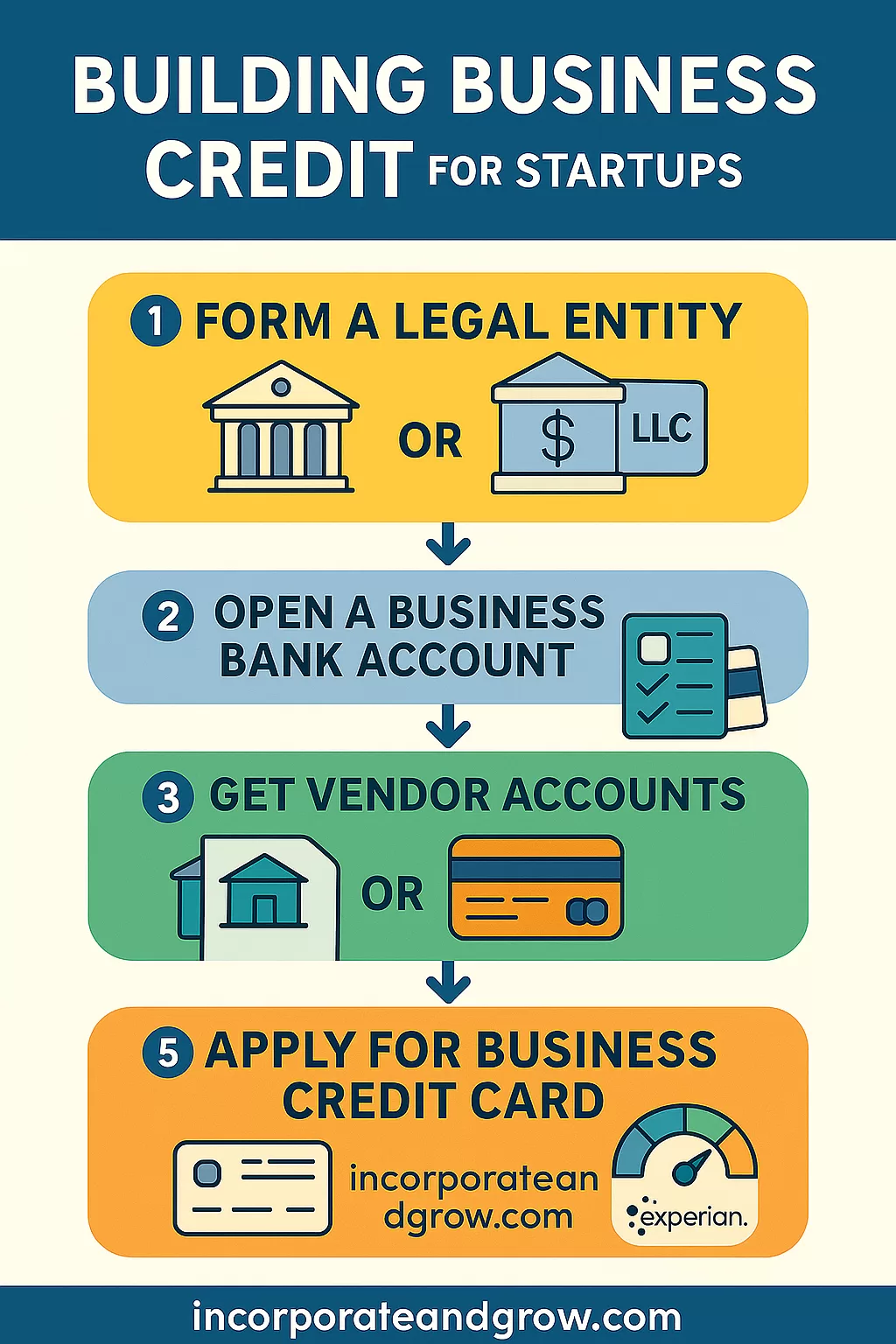
If you’re a startup looking to establish a solid financial foundation, building business credit from day one is non-negotiable. Our comprehensive guide can walk you through the process step-by-step: Building Business Credit for Startups: A Step-by-Step Guide.
💡 Expert Tip: Don’t Confuse Debt with Credit Card Reliance!
While business credit cards can be useful for short-term expenses and building a credit history, they often come with higher interest rates compared to strategic loans. Using them for significant, long-term investments can be a costly mistake. Understand the distinctions to make informed financial choices for your startup’s growth. Read our detailed comparison: Business Loan vs. Business Credit Card: Which is Right for Your Startup?
Debunking Common Myths About Startup Debt
The aversion to debt in the startup world is often rooted in outdated beliefs or a misunderstanding of its strategic applications. Let’s tackle some common misconceptions:
- Myth 1: All debt is bad debt.
- Reality: As discussed, strategic debt is a powerful tool for growth and capital efficiency. It’s about how you use the borrowed money, not just that you borrow it.
- Myth 2: Debt signals desperation to investors.
- Reality: Quite the opposite when managed well. It shows you’re disciplined, understand leverage, and can secure external financing – all positive indicators. Investors appreciate capital-efficient founders.
- Myth 3: Equity is always better than debt for startups.
- Reality: Equity is dilutive; debt is not. Early-stage equity is incredibly expensive as you’re selling a piece of your company at its lowest valuation. Strategic debt allows you to grow without giving away ownership, preserving more value for founders and early investors.
- Myth 4: You can’t get debt with bad credit or as a new startup.
- Reality: While challenging, options exist. Focusing on building business credit from day one and exploring various lenders (including those specializing in business loans with bad credit or no-doc business loans) can yield results.
“The smart use of debt is not a sign of weakness, but a hallmark of a financially sophisticated business. It demonstrates confidence in future cash flows and an ability to leverage capital for accelerated growth.”
Frequently Asked Questions About Strategic Debt and Investor Appeal
Does taking on debt make my startup less attractive to venture capitalists?
No, not necessarily. While excessive or poorly managed debt can be a red flag, strategic debt used for growth initiatives (like asset acquisition or R&D) can actually enhance your appeal. It demonstrates financial discipline, a nuanced understanding of capital structures, and the ability to leverage funds for a return higher than the cost of borrowing. VCs look for capital-efficient businesses, and strategic debt can contribute to that efficiency by reducing reliance on dilutive equity financing.
How much debt is considered “strategic” versus “excessive”?
This largely depends on your industry, business model, and stage of growth. Generally, debt is strategic when it’s used to fund assets or initiatives that generate predictable revenue or reduce costs, and when your cash flow can comfortably cover repayment. Key metrics like the debt-to-equity ratio and debt service coverage ratio (DSCR) are crucial for evaluating this. A strong DSCR, for instance, signals your ability to meet debt obligations. Always consult with a financial advisor to determine optimal debt levels for your specific situation.
Can I get strategic debt if my startup is very early-stage or has limited revenue?
It can be more challenging, but not impossible. Early-stage startups might explore options like small business grants, convertible notes, or personal guarantees for initial loans. As you establish some revenue and build business credit, traditional strategic debt options become more accessible. Programs like the SBA microloan program are designed for younger businesses. Building business credit from day one is paramount to securing better terms later on.
What’s the difference between using a business credit card and strategic debt for growth?
While business credit cards offer flexibility, they typically carry much higher interest rates and are best suited for short-term operational expenses or building credit history. Strategic debt, such as a term loan or SBA loan, usually has lower interest rates and longer repayment periods, making it more suitable for significant, long-term investments that drive growth. Relying on credit cards for major growth initiatives can quickly become unsustainable. For a detailed comparison, see our article on Business Loan vs. Business Credit Card.
How do I prepare my startup to secure strategic debt?
Preparation is key. You’ll need a solid business plan, detailed financial projections (including cash flow forecasts), a clear understanding of how the debt will be used to generate a return, and a strong personal and business credit history. Lenders will also assess your industry, market opportunity, and management team. Having a comprehensive business loan approval checklist can greatly simplify this process.
Conclusion: Leverage Strategic Debt for Unmatched Investor Appeal
The narrative around startup debt needs a serious update. For founders and small business owners, strategic debt is not a burden to be avoided, but a powerful financial instrument that, when wielded correctly, can unlock significant growth and dramatically increase your appeal to investors. By optimizing your capital structure, demonstrating financial acumen, and funding high-ROI initiatives, you position your business not just for survival, but for explosive, sustainable growth.
Stop fearing debt. Start leveraging it strategically. Your next round of funding, or your next major growth spurt, might just depend on it. Ready to explore your options and strategically fund your startup’s future?
Ready to Grow?
Secure the capital you need to scale your business and impress investors. Explore tailored funding solutions with our partners today!
Disclosure: Some of the links on this page are affiliate links. This means we may earn a commission at no extra cost to you if you make a purchase through one of our partners.