Building Business Credit for Startups: A Step-by-Step Guide for Funding Success
Securing funding is often the biggest hurdle for new businesses. While startup loans and equity investments get a lot of attention, one of the most powerful and often overlooked tools in a founder’s arsenal is business credit. Building strong business credit, separate from your personal credit, is crucial for accessing better financing terms, larger loan amounts, and a wider range of funding options as your company grows.
This comprehensive guide will walk you through the essential steps to build business credit from scratch, helping you set your startup on a path to sustainable funding success.
Why Business Credit Matters for Your Startup
Think of business credit as your company’s financial report card. Lenders, suppliers, and even potential partners use it to assess your business’s trustworthiness and ability to meet financial obligations. A strong business credit profile offers several key advantages:
- Access to More Funding: Lenders are more willing to provide business loans, lines of credit, and favorable terms when your business demonstrates a history of responsible credit use.
- Separation of Personal and Business Finances: Protecting your personal credit and assets is paramount. Building separate business credit helps achieve this crucial financial segregation.
- Better Terms and Lower Interest Rates: A high business credit score can qualify you for lower interest rates on loans and credit lines, saving your business significant money over time.
- Vendor and Supplier Relationships: Many suppliers offer trade credit, allowing you to purchase goods or services on terms (e.g., Net 30). This frees up cash flow, and they often check your business credit.
- Faster Approval Processes: Established business credit can significantly speed up approval times for financing.
For a deeper dive into different funding avenues, explore our articles on Business Loans vs. Business Credit Cards and The Fastest Business Loans for Startups.
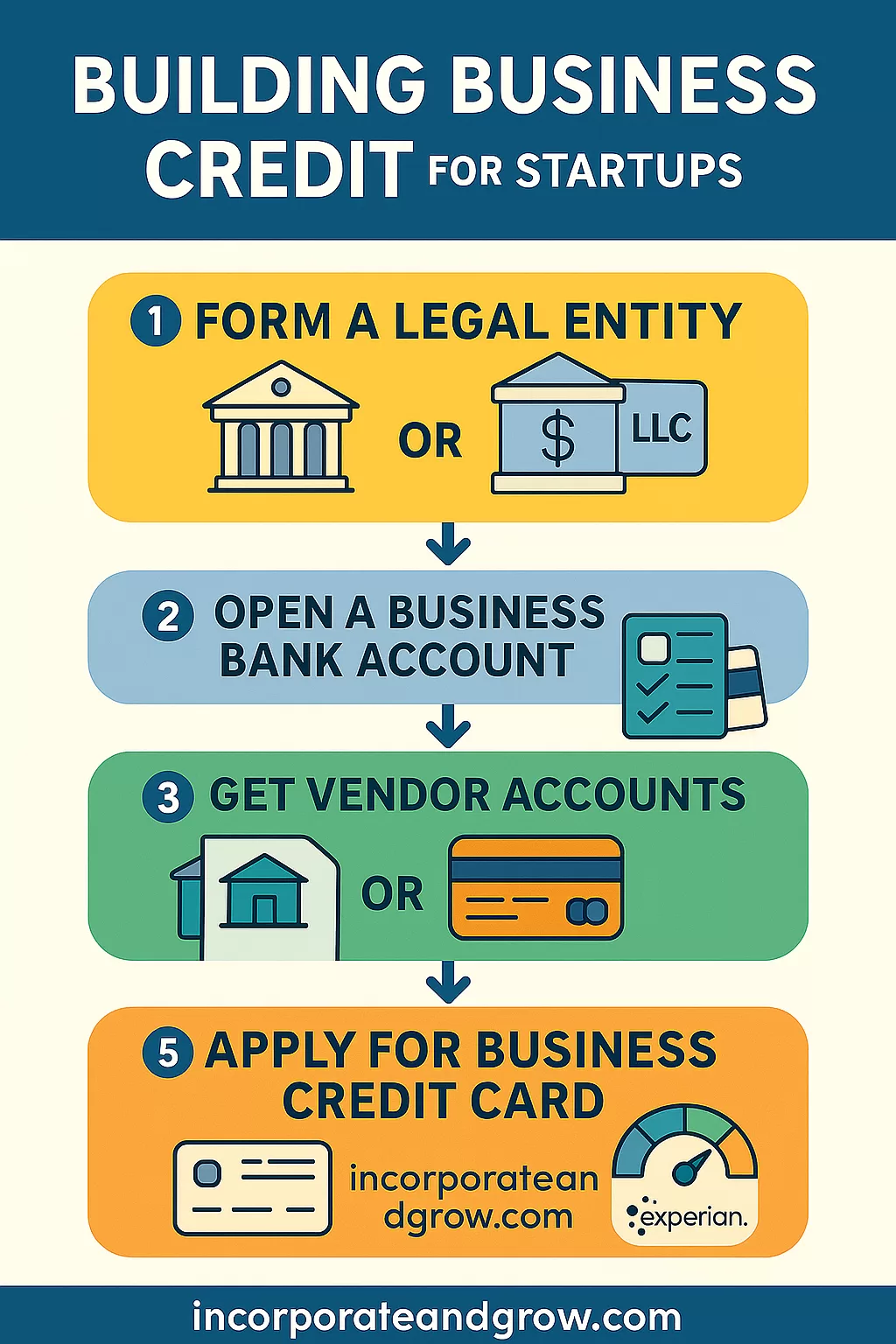
Step 1: Establish Your Business as a Separate Legal Entity
Before you can build business credit, your business needs its own identity, separate from you, the owner. This is the foundational step.
Choose the Right Business Structure
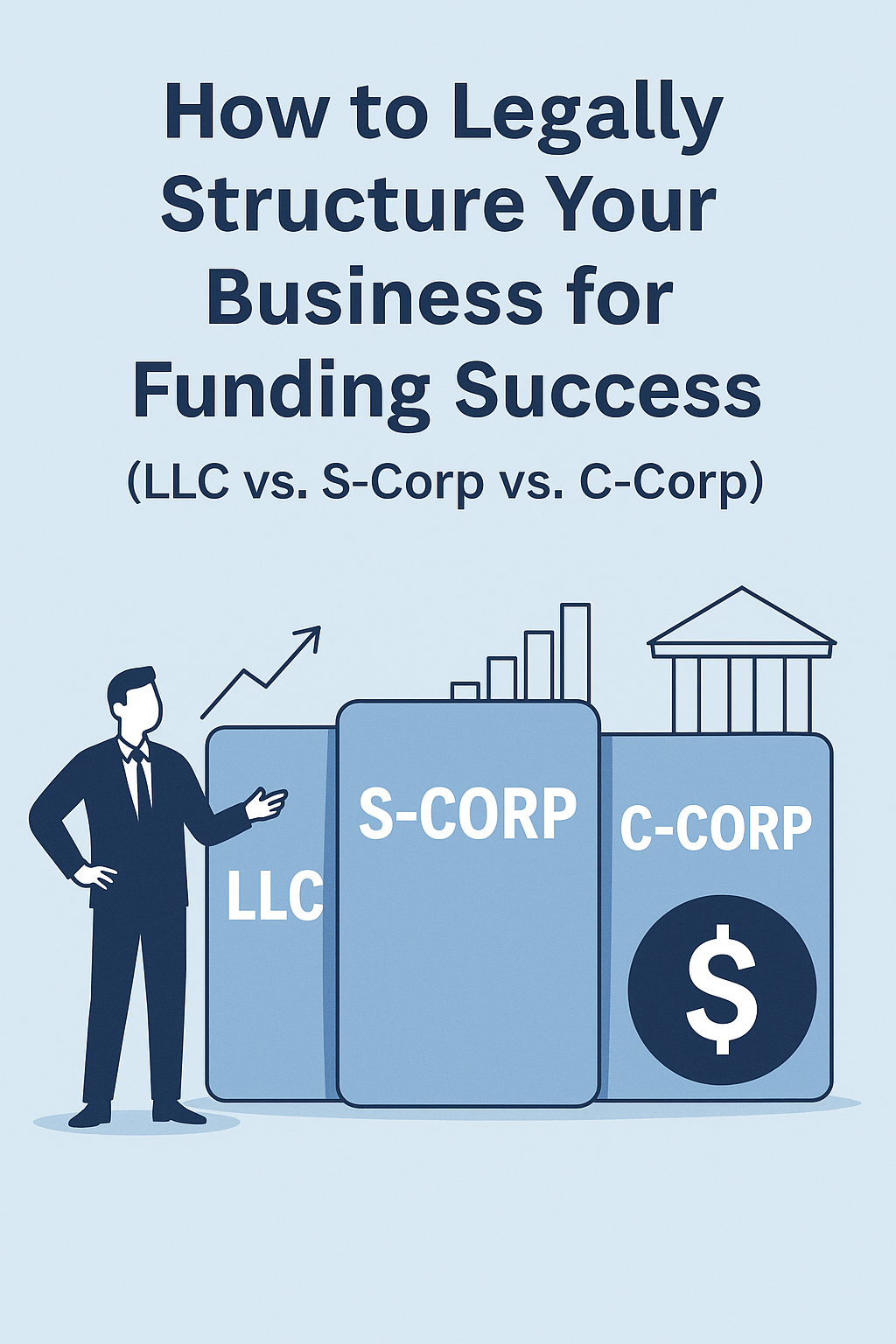
Your choice of business entity impacts everything from liability to funding potential. While a Sole Proprietorship is simple, it doesn’t create a separate legal entity, meaning your personal and business finances remain intertwined. For building business credit, you’ll want a structure that offers legal separation.
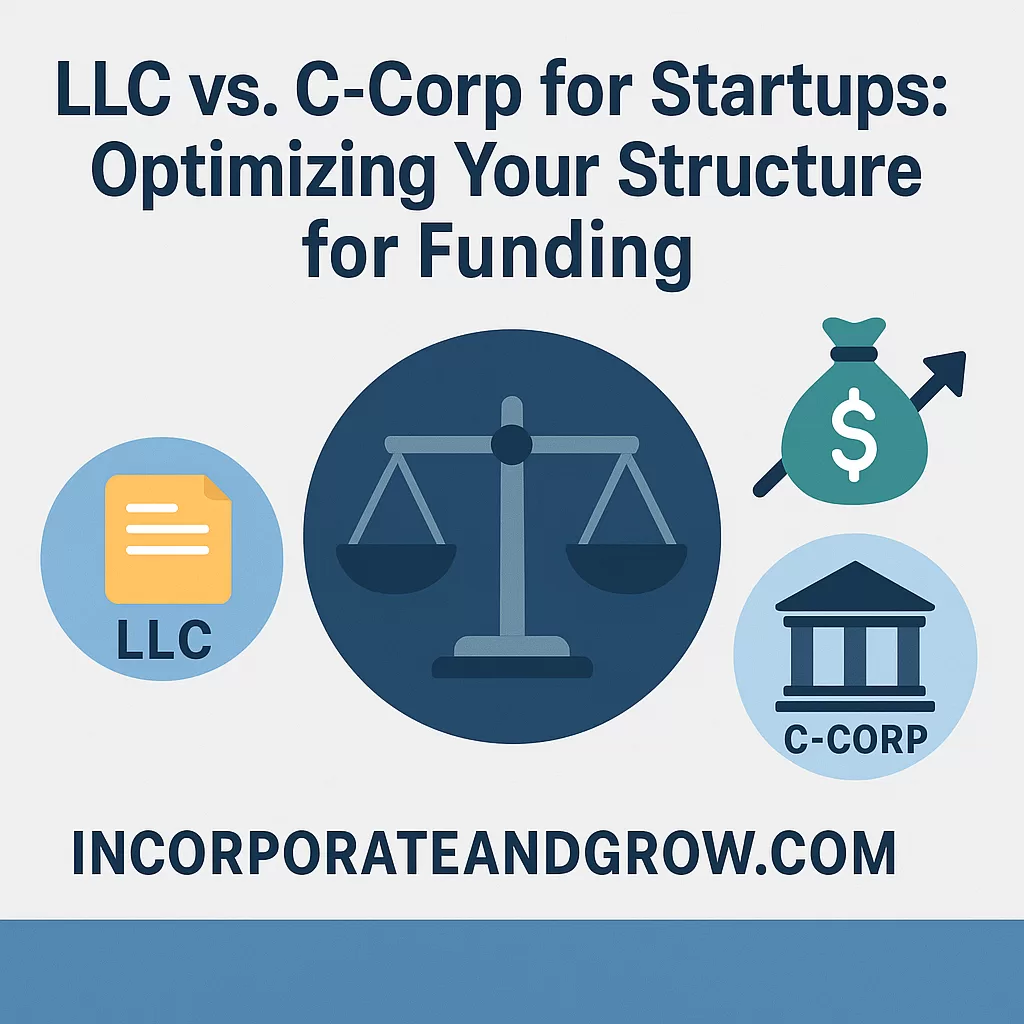
- Limited Liability Company (LLC): Offers personal liability protection and can be simpler to set up and manage than a corporation. Many startups begin here.
- C-Corporation (C-Corp): Ideal if you plan to seek venture capital or significant external investment, as it’s the preferred structure for investors due to its clear ownership structure and stock options.
- S-Corporation (S-Corp): A tax designation, not a legal entity, that can be applied to an LLC or C-Corp to avoid double taxation on profits.
We have detailed guides to help you make this critical decision:
- LLC vs. S-Corp vs. C-Corp: Choosing the Best Business Structure for Startup Funding in 2025
- LLC vs. C-Corp for Startups Funding
- LLC vs. Sole Proprietorship: What’s Better for Small Business Funding?
To properly form your entity, consider consulting official state resources or a business attorney, and ensure you have a Northwest Registered Agent if required in your state.
Obtain an Employer Identification Number (EIN)
Once your entity is formed, apply for an EIN from the IRS. This is your business’s Social Security number and is essential for opening a business bank account, applying for credit, and filing taxes. It’s free and takes minutes to get online.
Open a Dedicated Business Bank Account
This is non-negotiable. Do not mix personal and business funds. A dedicated business bank account establishes a clear financial separation, which is vital for building business credit and for accurate bookkeeping. Choose a bank that understands small business needs. For managing your finances, consider tools like Xero or Bench.
Step 2: Get Your Business “Creditable”
With your legal structure and EIN in place, it’s time to set up the elements that credit bureaus will use to identify and score your business.
Establish a Business Address and Phone Number
Use a professional business address (not your home address if possible) and a dedicated business phone number. These should be listed consistently across all directories. A physical address for your business rather than a P.O. box is generally preferred by lenders.
Create a Professional Business Website and Email
Even if simple, a professional website and a domain-specific email (e.g., `[email protected]`) lend credibility. Lenders and credit bureaus look for signs of a legitimate, established business.
List Your Business with Directory Services
Ensure your business is listed with major online directories like Google My Business, Yelp, and industry-specific directories. Consistency in your business name, address, and phone number (NAP) across all listings is crucial for credit bureaus like Dun & Bradstreet to verify your existence.
Step 3: Start Building Credit with Vendor Accounts
This is where the actual credit-building begins, often referred to as “tradelines.” Vendor or trade credit allows you to buy goods or services on terms (e.g., Net 30, Net 60), and if the vendor reports your payment history to business credit bureaus, it builds your score.
Identify “Credit-Reporting” Vendors
Not all vendors report payments. Focus on those that do. Common examples include office supply companies (e.g., Uline, Grainger), shipping companies, and industry-specific suppliers.
- Apply for a Net 30 account, which gives you 30 days to pay an invoice.
- Make small purchases initially.
- Pay all invoices on time or early. This is the most critical step for building a positive payment history.
Step 4: Get a Business Credit Card
Once you have a few positive tradelines reporting, you can apply for a business credit card. These cards report to business credit bureaus and are a direct way to build your credit score.
- Start with smaller, easier-to-get cards if necessary, or consider secured business credit cards.
- Use the card for regular business expenses.
- Keep utilization low (ideally under 30%). This shows responsible credit management.
- Pay the full balance on time every month. This is paramount for building strong credit and avoiding interest.
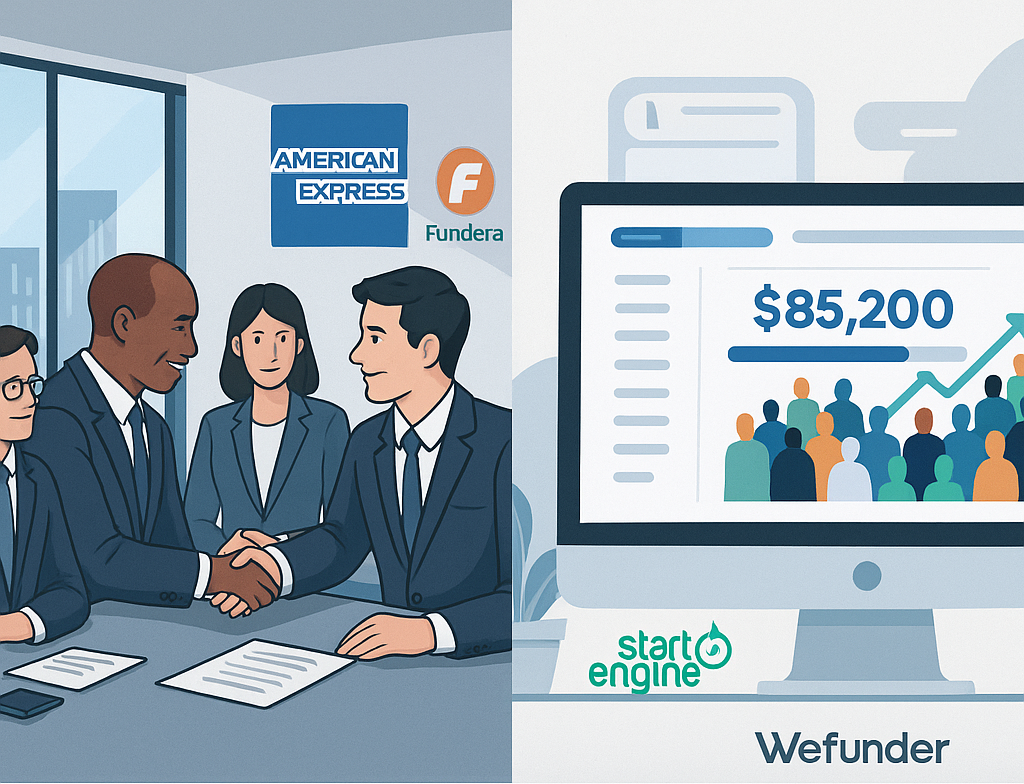
For options, you might look into offers like those from American Express, which often have strong business card programs.
Step 5: Monitor Your Business Credit Regularly
Just as you monitor your personal credit, keep an eye on your business credit reports from the major bureaus:
- Dun & Bradstreet (D&B): Known for the PAYDEX score.
- Experian Business: Provides a Intelliscore Plus.
- Equifax Business: Offers a Payment Index and business credit risk scores.
Monitoring allows you to track progress, identify potential errors, and understand what factors are influencing your score. Services like Fundwise or Fund & Grow can assist with building and monitoring business credit, helping you access unsecured funding.
Advanced Strategies for Boosting Business Credit
- Secure a Revolving Line of Credit: Once you have a good score, a business line of credit can provide flexible access to funds and further demonstrate creditworthiness.
- Seek Small Business Loans: After establishing a positive credit history, applying for a small business loan (perhaps an SBA loan) can diversify your credit mix and showcase your ability to handle larger debts. For more on different loan types, see our guides on Best Business Loans for Startups 2025 and No Doc Business Loans in 2025.
- Maintain Excellent Financial Records: Organized bookkeeping and payroll are essential not just for taxes, but also for presenting a clear financial picture to potential lenders. Consider Gusto for payroll solutions.
- Consider Different Funding Tools: Explore various business funding tools, including those that might not rely solely on traditional credit scores, such as equity crowdfunding via platforms like Wefunder or StartEngine.
- Work with Business Funding Platforms: Platforms like National Funding can connect you with various loan options, including those for different credit profiles.
Conclusion: Your Foundation for Future Growth
Building business credit is not an overnight process, but it is a strategic investment in your startup’s future. By diligently following these steps—from establishing a separate legal entity to consistently making on-time payments—you will create a strong financial foundation. This will not only unlock better funding opportunities but also enhance your business’s credibility and stability in the long run. Start today, and watch your business credit grow, paving the way for sustained success.